Calling EMS in Case of Traumatic Bleeding

An emergency medical technician at Beaumont EMS, Jimmy Marwan Kassis is trained in providing pre-hospital care for emergency cases, including traumatic injuries, seizures, allergic reactions, respiratory problems, and psychological crises in an efficient manner, avoiding unnecessary haste and mishandling of tools. Jimmy Marwan Kassis also helps assists with prescribed medications, such as hand-held aerosol inhalers and sublingual nitroglycerin.

Traumatic bleeding is a blood loss that occurs as a result of trauma. Lacerations, bruises, gunshot wounds, puncture wounds, and abrasions are some types of traumatic injuries that result in bleeding. Blood loss from a traumatic injury may vary from mild to severe. Certain medications, such as blood thinners, and antibiotics, can increase blood loss from injuries. If a person experiences severe bleeding, they can seek help immediately.

When a patient or person nearby calls an emergency service to report a bleeding emergency, the EMS will provide them with information on what they need to do and their estimated time of arrival. If the patient’s bleeding is not stopping, the EMS can tell the caller to ensure that pressure is applied to hold the bleeding until they arrive. They may also request that the patient be put in a lying position to prevent them from fainting.
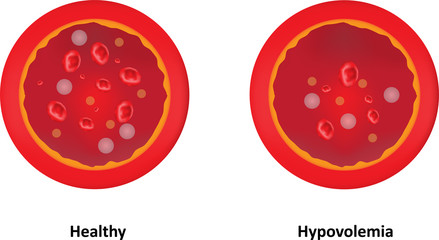
Hypovolemic Shock – Symptoms And Complications

Hypovolemia

A graduate of psychology from Wayne State University, Jimmy Marwan Kassis is an emergency medical technician at Beaumont EMS, Michigan. Jimmy Marwan Kassis has provided immediate medical care for shock patients and has also assisted patients with prescribed medications, such as sublingual nitroglycerin and epinephrine.

A life-threatening condition, hypovolemic shock is a syndrome of shock that happens when the heart is unable to pump adequate blood due to loss of more than 20 percent of their body’s fluid or blood supply. The blood loss can result from vaginal bleeding, traumatic injuries, such as accidents, that result in severe bleeding, bleeding from the digestive tract, internal bleeding from abdominal organs, and significant vaginal bleeding.

Excessive sweating, severe burns, prolonged diarrhea, and excessive vomiting can cause loss of excess body fluids. Symptoms of hypovolemic shock vary from mild (e.g. fatigue, headache, dizziness, and headache) to more severe (e.g. confusion, blue lips and fingernails, lightheadedness, shallow breathing, and rapid heart rate).

Heart attack and organ damage are some complications of hypovolemic shock. The chances of developing more complications from hypovolemic shock are higher in people with underlying chronic conditions, such as kidney disease, lung disease, and diabetes, or a medical history of certain conditions, including stroke. Hypovolemic shock is a medical emergency. If left untreated, it can result in death.

Sublingual Nitroglycerin – An Overview

The recipient of a bachelor of science in psychology, Jimmy M. (Marwan) Kassis is an emergency medical technician at Beaumont EMS. Based in Michigan, Jimmy Marwan Kassis is experienced in providing emergency pre-hospital care, such as treatment of shock, bandaging wounds, and immobilization of painful extremities. He has also helped patients with prescribed medications such as sublingual nitroglycerin and epinephrine autoinjectors.

A prescription drug, nitroglycerin sublingual tablet (with the brand name Nitrostat) is used for treating episodes of chest pain (angina) in people with coronary artery disease (characterized by narrowing of the blood vessels that carry blood to the heart). Chest pain occurs when part of the heart does not get adequate blood and is characterized by uncomfortable pressing or squeezing sensations in the chest. Nitroglycerin works as a vasodilator (drugs that help dilate blood vessels by relaxing vessel walls and the smooth muscles around the vessel). By dilating vessels that carry blood to the heart, previously narrow vessels can deliver more blood to the heart.

Being a sublingual tablet, nitroglycerin sublingual is placed under the tongue. The tablet is taken around 5 to 10 minutes prior to activities that can cause angina or when a person is experiencing angina. The dosage and how often the drug is taken should be under a doctor’s prescription. Sometimes, nitroglycerin sublingual tablets interact with other medications, herbs, or vitamins – this interaction may prevent the drug from working efficiently or cause harmful effects. To avoid interactions, all medications should be managed by the doctor caring for the patient.

Handling A Severe Allergic Reaction

With a bachelor’s degree in psychology from Wayne State University, Jimmy Marwan Kassis is an emergency medical technician at Beaumont EMS. Jimmy Marwan Kassis has provided pre-hospital medical care for patients with deformed spines, seizures, cardiac arrest, and allergic reactions.

The most severe form of allergic reactions, anaphylaxis is a rapidly developing allergy that affects various body systems at the same time and can be fatal. Allergies occur when a person’s immune system reacts to a substance, like pollen, certain drugs, or food, that typically does not cause an immune response in many other people. This immune response may cause inflammation of the skin, airways, or digestive systems.

Often, anaphylactic reactions are triggered by insect stings, certain drugs, such as penicillin, latex, and some foods, including shellfish, and peanuts. Symptoms may include skin reactions (hives, itching, and swelling), respiratory reactions (cough, runny nose, wheezing, shortness of breath (dyspnea), and nasal congestion), gastrointestinal problems (diarrhea, nausea, vomiting, and abdominal pain), and cardiovascular symptoms (low blood pressure, rapid heartbeat (tachycardia), dizziness, and lightheadedness).

If a person suspects that they are having anaphylaxis, they can seek emergency care. Immediate pre-hospital intervention is injectable epinephrine. However, in severe cardiovascular symptoms, anybody around the patient can inject them with epinephrine and call emergency services immediately. Another shot of injectable epinephrine can be given in cases of continuous severe reactions or biphasic reactions. A person should be with the patient at least until the emergency service arrives.

Design a site like this with WordPress.com
Get started