When and How to Increase Your Weight Lifting Amount

image: Jimmy Marwan Kassis

An emergency medical technician (EMT) in Michigan, Jimmy Marwan Kassis is responsible for providing medical care to critically injured and ill patients at Beaumont EMS. Dedicated to maintaining a healthy lifestyle, Jimmy Marwan Kassis enjoys weight lifting in his free time.

As a weight lifter, you must periodically increase the amount you lift if you want to see results over time. However, you want to make sure that you increase your total weight at the right time and by the correct amount to avoid injury. To do this, consider the number of repetitions you are doing. Ideally, you want about eight to 12 repetitions of a heavy-to-moderate amount of weight. This range keeps you from lifting weight that is too heavy or too light. But, it’s important to note that these repetitions require the correct form. Lifting with poor form increases the risk of injury and may hinder the amount of muscle gain.

If you find yourself easily doing more than 12 reps with your current weight, increase the total amount. The same is true if you don’t feel out of breath after your last few repetitions or are going through every repetition quickly. Usually, you should aim to increase weight by about 2.5 percent. Continue increasing by this amount if you are still doing more than 12 reps with the extra weight you added.
A Look at the Emergency Medical Technicians – Basic Credential

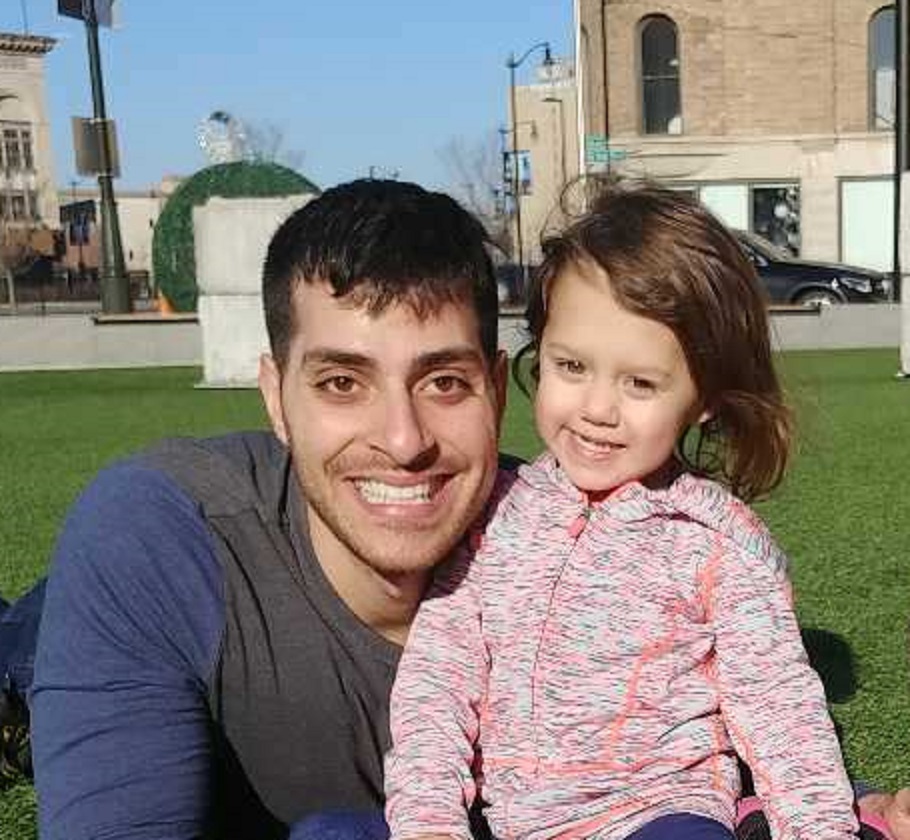
Jimmy Marwan Kassis photo

Jimmy Marwan Kassis holds a psychology degree from Wayne State University in Detroit, Michigan, where he graduated with honors in 2014. Currently, Jimmy Marwan Kassis serves as an EMT for Beaumont EMS in Taylor, Michigan, where he responds to emergency calls and provides emergency care to the critically injured.

To supplement his role as an EMT, Mr. Kassis holds certification as an emergency medical technician – basic (EMT-B). EMT certifications are administered by the National Registry of Emergency Medical Technicians, a nonprofit organization established in 1970. The organization requires EMTs to complete a state-approved psychomotor exam and a National Registry cognitive exam in addition to holding CPR certification.

Currently, there are three levels of EMT certification: paramedic, intermediate, and basic (EMT-B). The basic level requires the ability to assess patients and provide medical care for common conditions. EMT-B technicians also have at least 110 hours of training that equips them to provide basic life support functions and engage in non-invasive care procedures.

For additional information on EMT certification, visit http://www.nremt.org.

Three Exercises for a Stronger and Bigger Chest

Jimmy Marwan Kassis image

Jimmy Marwan Kassis is a Westland, Michigan resident who has served as an EMT-B at Beaumont EMS since October 2018. Outside of his professional endeavors, Jimmy Marwan Kassis enjoys hobbies such as reading, hiking, and weightlifting.

Building a bigger chest can help you improve posture and even look taller. Below are three effective exercises you should do to strengthen and grow your chest:

1. Dumbbell squeeze press – While lying on a flat bench, hold a dumbbell in each hand and extend your arms up until they are straight. Keep the dumbbells close together to engage your pecs for the entire range of motion.

2. Incline barbell bench press – This exercise targets the clavicular head and can make your chest stand out. Set the bench to an incline angle and, while exhaling, lift the barbell to shoulder height with your palms facing away from your body. Lockout your arms at the top position and squeeze your chest before lowering the bar to the start position.

3. Bar dip – This exercise targets your entire upper body, but is particularly effective at building a strong chest. Utilizing a wide grip, drop as low as possible before pushing yourself back up. Kick your feet back and extend your body as far forward as possible throughout the motion.

Medical Dogs: An Overview

Jimmy Marwan Kassis image

Jimmy Marwan Kassis made the dean’s list for all 4 years of his college studies at Wayne State University before becoming an emergency medical technician with Beaumont EMS in Michigan, where he still serves today. Outside of his professional work, Jimmy Marwan Kassis enjoys staying active, and regularly works with nursing medical dogs.

Also known as medical alert dogs or medical response dogs, medical dogs can detect medical emergencies ranging from diabetes and heart disease to airborne allergies and even cancer. These dogs typically receive special training on specific conditions, which allows them to specialize in specific medical crises and respond appropriately when one occurs.

Training for medical dogs often involves teaching them to warn owners before a medical episode occurs so they can get help or get to a safe area. Dogs are also taught to bring medicine, seek help, or push an alert button once an event occurs before snuggling with their owner to keep them calm. A total of 120 hours of training is required by the International Association of Assistance Dog Partners, plus additional training with owners.

Design a site like this with WordPress.com
Get started